Source Lock Hole Mortising Machine for Doors, Cabinets, and Furniture
Find and compare 30 lock hole mortising machine options for woodworking applications. Evaluate specifications such as CNC control, slotting dimensions, and spindle speeds to select the right equipment for your production needs; compare the available evidence and request quotations based on your requirements.
Key considerations
Products List


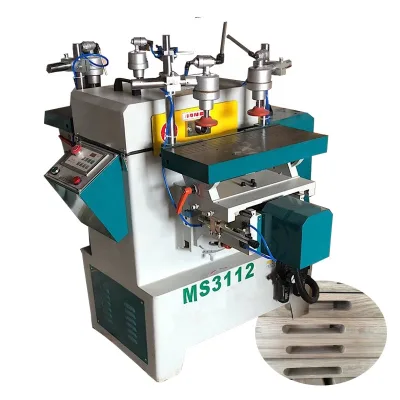
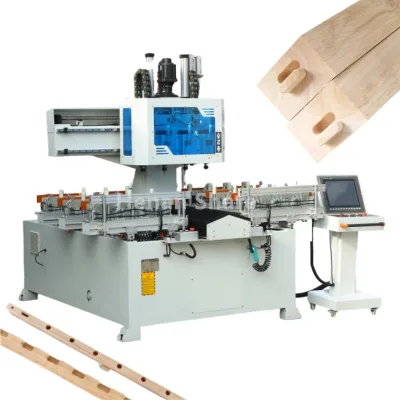


Comprehensive Sourcing Guide
Lock Hole Mortising Machine Sourcing Guide
Sourcing a lock hole mortising machine requires careful evaluation of mechanical precision and control systems to ensure consistent performance in woodworking operations. Buyers must distinguish between semi-automatic and fully automated units, as the choice directly impacts labor efficiency and throughput. The observed market includes models with vertical structures and linear control movement methods, which are essential for maintaining stability during high-speed milling. Understanding the distinction between open-loop and CNC control modes is critical, as CNC systems offer greater repeatability for complex door hardware installations.
Procurement decisions should also account for the specific milling capabilities required for your production line. Key specifications such as maximum slotting length, depth, and width vary significantly across available models, with some units supporting lengths up to 2800mm and depths up to 130mm. Buyers should verify the spindle speed, which often reaches 18000 RPM, to ensure compatibility with different cutter types and material hardness. Additionally, the total motor power and servo motor configurations influence the machine's ability to handle continuous heavy-duty work without overheating or losing precision.
Product Scope and Observed Listing Signals
The current market for lock hole mortising machines presents a diverse range of options tailored for woodworking applications, with prices observed between $888 and $10,533.26 USD. This wide variance reflects differences in automation levels, structural complexity, and included features such as video outgoing-inspection services. Most listed units are brand new and originate from China, with specific manufacturing hubs like Shandong indicating regional specialization in woodworking equipment. Buyers should note that the minimum order quantity is typically one unit, allowing for flexible trial purchases or small-scale production setup.
Product attributes reveal a strong emphasis on customization and standard export packaging, such as wooden boxes or plywood cases, to protect machinery during transit. Common model identifiers include SRLS-SCJ, ZD1226, and Mzhmx4000, each associated with distinct dimensional and power specifications. For instance, some machines are designed for door widths between 600-1100mm, while others focus on general slotting tasks. The presence of CE certification is widespread, signaling compliance with European safety standards, which is a crucial factor for international buyers seeking reliable and legally compliant industrial equipment.
Technical Specifications to Verify
When evaluating technical specifications, buyers must prioritize the processing precision and dimensional accuracy of the machine. Observed data indicates a processing precision range of 0.01 to 0.02 mm, which is vital for creating clean, tight-fitting lock holes and hinge mortises. It is essential to verify the maximum milling slot dimensions, including length, width, and depth, to ensure they align with your standard door hardware requirements. Machines with a maximum slotting length of 2200mm or 2800mm offer greater flexibility for larger doors or specialized woodworking projects.
Power and control systems are equally critical components that determine operational efficiency. Buyers should confirm the spindle speed, which is often rated at 18000 RPM, and the total motor power, which can range from 14.5kw to specific servo motor configurations like 0.75kw*3. The controlling mode, whether CNC, MNC, or open-loop, dictates the level of automation and ease of use. Additionally, verifying the feed mode, such as mechanical or automatic, helps assess the machine's suitability for high-productivity environments where consistent, rapid cycling is required.
Compliance and Safety Documentation
Compliance documentation is a non-negotiable aspect of sourcing industrial machinery, particularly when importing equipment from international suppliers. The presence of CE certification is a common indicator that the machine meets essential health and safety requirements for operation within regulated markets. Buyers should request original certification documents to verify their authenticity and ensure they cover the specific model being purchased. In some cases, additional certifications such as ISO or FDA may be listed, though their relevance depends on the specific application and local regulatory environment.
Safety features and operational safeguards must be clearly documented in the product specifications and user manuals. Buyers should inquire about emergency stop mechanisms, protective guards, and electrical safety standards to ensure operator safety during high-speed milling operations. The provision of video outgoing-inspection services by suppliers offers an additional layer of assurance, allowing buyers to visually verify the machine's condition and functionality before shipment. This step is particularly valuable for mitigating risks associated with long-distance logistics and potential transit damage.
Cost Drivers and Commercial Terms
Cost drivers for lock hole mortising machines include the level of automation, material quality, and included technological features. CNC-controlled units with linear control movement methods generally command higher prices due to their enhanced precision and ease of use. Buyers should also consider the total motor power and servo motor configurations, as higher power ratings often correlate with increased durability and performance under heavy loads. Packaging requirements, such as standard export wooden boxes or plywood cases, can also influence the final landed cost due to added material and labor expenses.
Commercial terms should be clearly defined to avoid unexpected expenses during the procurement process. Buyers must confirm whether the listed price includes shipping, insurance, and customs duties, as these factors can significantly impact the total cost of ownership. The observed minimum order quantity of one unit suggests flexibility, but buyers should negotiate for volume discounts if purchasing multiple units or spare parts. Additionally, clarifying the warranty terms and after-sales support availability is essential to protect against potential maintenance costs and operational downtime.
Supplier Qualification and Quality Control
Supplier qualification is a critical step in ensuring the reliability and longevity of the purchased machinery. Buyers should verify the supplier's manufacturing capabilities, including their production facilities in regions like Shandong, and assess their experience in producing woodworking machines. Requesting references or case studies from previous clients can provide insights into the supplier's reputation and service quality. The availability of customization options indicates a supplier's flexibility and ability to meet specific buyer requirements, which is a positive indicator of their technical competence.
Quality control measures should be rigorously evaluated before finalizing any purchase. Buyers should insist on pre-shipment inspections, either through third-party agencies or via the supplier's provided video outgoing-inspection services. These inspections should verify the machine's dimensional accuracy, processing precision, and overall build quality against the specified standards. Additionally, confirming the supplier's adherence to international quality management systems, such as ISO certification, can provide further assurance of consistent product quality and reliable manufacturing processes.
Long-Term Procurement Checks
Long-term procurement success depends on establishing a robust supply chain relationship with clear communication channels and performance metrics. Buyers should define key performance indicators, such as machine uptime, processing precision consistency, and maintenance frequency, to evaluate the supplier's ongoing support. Regular feedback loops and periodic reviews of the machine's performance can help identify potential issues early and facilitate timely resolutions. Maintaining a detailed record of all transactions, certifications, and technical specifications is essential for future reference and potential warranty claims.
Sustainability and adaptability are also important considerations for long-term procurement strategies. Buyers should assess the supplier's ability to provide spare parts and technical updates as technology evolves. Ensuring that the machine can be upgraded or modified to meet changing production demands adds value and extends the equipment's lifecycle. Additionally, monitoring market trends and technological advancements in lock hole mortising machines can help buyers stay competitive and make informed decisions about future upgrades or replacements.
FAQs
What is the maximum milling slot length for these machines?
The maximum milling slot length varies by model, reaching up to 2800mm for the SRLS-SCJ and 2200mm for the ZD1226. These dimensions allow for processing standard door widths and larger wooden components efficiently. Buyers should verify the specific model requirements against their production needs to ensure adequate workspace coverage.
Can the lock hole mortising machine be customized for specific needs?
Yes, customization is available for many models to suit specific production requirements. Manufacturers offer tailored solutions including color adjustments and specialized configurations. This flexibility ensures the equipment integrates smoothly into existing workflows. Buyers should communicate their exact specifications during the inquiry phase to secure the appropriate customized setup.
What certifications do these woodworking machines typically hold?
Most listed models hold CE certification, with some also featuring ISO and FDA approvals. These certifications indicate compliance with international safety and quality standards for machinery. Buyers operating in regulated markets should verify the specific certification list for the chosen model to ensure it meets local regulatory requirements for industrial equipment.
How is the machine packed for international shipping?
Machines are typically packed in standard export wooden boxes or plywood cases to ensure safe transit. This robust packaging protects the equipment from damage during long-distance shipping. The sturdy construction helps maintain the machine's condition upon arrival, reducing the risk of transit-related issues and ensuring immediate readiness for installation and operation.
What is the spindle speed for milling operations?
The spindle speed for milling operations is generally 18000rpm across several models. This high speed supports efficient cutting and precise slotting in wooden materials. Consistent spindle performance ensures clean cuts and reduces material waste. Buyers relying on high productivity should confirm this speed aligns with their specific material hardness and desired finish quality.
Is numerical control used for precise operation?
Yes, numerical control systems, including CNC and MNC options, are utilized for precise operation. These systems enable accurate linear control and automated movement methods. The integration of CNC technology enhances processing precision, often achieving tolerances between 0.01 and 0.02mm. This level of accuracy is essential for producing high-quality wooden components with consistent dimensions.